Use size chart below for slightly relaxed fit.
For snug fit, size down.

PageContent


Three years ago, I was that guy walking around Walmart at 11 PM, buying another pack of Hanes undershirts. Again.
The same shirts that would be stretched out, stinking, or falling apart within months.


But I kept buying them because... what else was I supposed to do?
Everyone said that's just how shirts work. You wear them out, you replace them, and repeat the process forever.
I believed that lie for 30+ years.
Until one blood test changed everything.
The Wake-Up Call That Launched a Revolution
Let me back up.

I'd built multiple successful brands

Helped millions of customers

Made some good money
However, I kept having a nagging feeling that something was wrong with the clothes I wore every day.

My workout shirts would always reek, no matter how many times I washed them.

My cotton tees would stretch out and look like garbage after a few months.

And I was always replacing basics that should last years.
So I started digging into clothing research myself. Late nights, textile studies, chemical analysis reports, anything that might explain why modern shirts seemed designed to fail.
That's when I stumbled across a study that made my blood run cold:

Microplastics from synthetic clothing are entering the bloodstream through skin contact.
The same study mentioned that polyester shirts were one of the primary culprits, especially when you sweat in them during workouts or physical labor.
I looked down at my Nike Dri-Fit shirt. The same type I'd worn for workouts, yard work, and sleep for the past decade.
That's when it hit me: I wasn't just wearing plastic clothes. I was absorbing plastic into my body.
The Truth About "Performance" Clothing
The more I researched, the more disturbed I became.
Those "moisture-wicking" shirts I loved? They're treated with PFAS chemicals, the same "forever chemicals" used in non-stick pans and firefighting foam.


These chemicals never break down.
They accumulate in your body over time.
See, what big apparel companies don't advertise is that most "performance" shirts are treated with PFAS chemicals to make them "moisture-wicking" and "odor-resistant."

They call it innovation. I call it poisoning people for profit.
That night, I went through my entire wardrobe. Shirt after shirt, all synthetic. All are potentially toxic.
Nike. Under Armour. Adidas. Even brands marketed as "sustainable" were using recycled polyester, which is still a type of plastic.

I threw them all away.
Every. Single. One.
Why Big Apparel Wants You to Be Addicted to Plastic Clothes
Here's what I learned that the clothing industry doesn't want you to know:
They NEED your shirts to fail.
Think about it. If they made a shirt that truly lasted 10+ years, you'd buy one-tenth as many shirts over your lifetime.
Their billion-dollar business model would collapse overnight.
So instead, they've convinced us that:

Cotton shirts are supposed to stretch and sag

Polyester shirts smelling like a gym locker is "normal"

Replacing basics every 6-12 months is just "part of life"

It's brilliant marketing

And terrible for your health
Because while you're buying new shirts every few months, those PFAS chemicals are accumulating in your body. Studies now link them to:

Fertility issues (hello, personal experience)

Hormone disruption

Immune system problems

Even certain cancers
But here's the kicker: None of this is necessary.
The 200-Year-Old Secret Big Brands Buried
After throwing out my toxic wardrobe, I had a problem: what the hell was I supposed to wear?
That's when I discovered something that blew my mind.
For over 200 years, the world's toughest workers wore hemp.

Sailors used hemp canvas for their ship sails, which had to withstand ocean storms.

Railroad workers wore hemp overalls that lasted decades of hard labor.
Even the U.S. military used hemp uniforms because they were virtually indestructible.
But then Big Chemical came along in the 1950s with a "better" solution: synthetic fabrics.
They promised shirts that were lighter, cheaper to produce, and "high-performance."
What they didn't mention was the cancer-causing chemicals required to make plastic feel like fabric.
Or that these synthetics would trap odor-causing bacteria no matter how much you washed them.
Or that the microplastics would literally enter your bloodstream through your skin. They buried hemp, nature's strongest fiber, and replaced it with plastic.
All for profit.
My $300,000 Experiment That Almost Failed

I became obsessed with one question: Could I create a shirt using hemp that actually felt good to wear?
Pure hemp was too stiff. Too rough. Like wearing cardboard.
But what if I could blend it with something softer? Something that breathed better than polyester but never harbored stink?
That's when I discovered bamboo.
Not bamboo rayon (which requires toxic chemical processing), but a special bamboo fiber that's naturally antimicrobial, softer than cotton, and breathes like nothing else.
I spent the next 12 months and over $300,000 testing blend after blend.

Hemp + bamboo + organic cotton in dozens of different ratios.
Most attempts failed spectacularly:

Too rough
(felt like sandpaper)

Too weak
(fell apart in the wash)

Wrong texture
(looked cheap and felt worse)

But I couldn't. Not after what I'd learned.
I was obsessed with creating one thing: The last t-shirt any man would ever need to buy.
The Breakthrough That Almost Broke Me

After 47 failed prototypes, I was on the verge of quitting.
My wife was questioning my sanity. My business partners thought I'd lost focus. I'd blown through hundreds of thousands of dollars chasing what seemed impossible.
However, prototype #48 then arrived from the textile lab.

I put it on and immediately knew something was different.
It felt like my favorite gym shirt – soft, breathable, perfect fit.
But when I grabbed the fabric and tried to stretch it... nothing. Solid as a rock.
I wore it for a 5-mile run in 85-degree heat. Soaked with sweat. Let it air dry.
No smell. None.

I wore it for three more days straight: to the gym, yard work, meetings, and sleep.
Still no smell.
My cotton shirts would reek after one workout. My polyester shirts would still smell like a locker room, even when fresh out of the dryer.
This hemp-bamboo blend? It was like bacteria couldn't survive in the fabric.


Made with patented UndrDog DuraFlow™

Real gold. Real odds.
1 in 100 comes with
A FREE 1g gold bar

1g of .9999 fine gold
Worth ~$200 (based on spot price)
Randomly inserted 1 in 100
Delivered straight in the order package
No purchase necessary, see details below
View Full Terms & ConditionsWhat My Customers Are Saying
I wasn't about to launch this based solely on my own experience.
So I sent prototypes to 50 guys who'd been asking for a better
shirt solution.
The feedback blew me away:

Used to go through 6–8 undershirts per year because they'd stretch out or get holes. Been wearing the same Undrdog shirt for 18 months. Looks identical to day one.

Chuckie, I've worn this shirt for 8 straight days (don't judge me) and it still doesn't stink. My wife can't believe it.

I'm an electrician. I beat the hell out of my work clothes. This shirt looks brand new after 6 months of daily abuse.

But the message that convinced me I was onto something came from a guy named Dave:

That's when I knew I had to scale this thing.
Why This Changes Everything
Here's what I created with that final hemp-bamboo-cotton blend:

Strength
4x stronger than cotton, 2x stronger than most synthetics. I've had guys try to rip these shirts.
They can't.

Breathability
The bamboo fibers create micro-channels that let air flow but trap zero odor.
It's like having natural air conditioning built into the fabric.

Comfort
Gets softer with every wash.
The hemp breaks in like a favorite pair of jeans, but never loses its structure.

Durability
I've got beta testers wearing the same shirt for 2+ years with zero signs of wear.
And here's the kicker:

Zero chemicals.

No PFAS.

No polyester.

No synthetic treatments.
Just three natural fibers working together the way nature intended.
The Lifetime Warranty That Scared My Lawyers
When I told my legal team I wanted to offer a lifetime warranty on these shirts, they thought I was insane.
"What if they rip it?
What if they bleach it?
What if the company goes out of business?"
My answer was simple: "Then we replace it. Period."
See, I'm not building a company that sells you shirts every few months for the rest of your life.
I'm building a company that sells you one shirt that lasts the rest of your life.

It's a completely different business model. One that only works if the product is actually indestructible.
Which is exactly what we've built.
Your Two Choices
Right now, you have two paths:

The math is simple: You'll either spend $2,000+ over the next 10 years replacing disposable shirts...
Or you'll spend a fraction of that once and be done forever.
P.S. - I get it. A "lifetime warranty" sounds too good to be true. That's exactly what the clothing industry has trained you to think. But here's the thing: when you build a shirt that's actually indestructible, guaranteeing it for life isn't risky - it's just honest marketing.
Ready to own your last t-shirt?
Made with patented UndrDog DuraFlow™
Real gold. Real odds.
1 in 100 comes with
A FREE 1g gold bar
1g of .9999 fine gold
Worth ~$200 (based on spot price)
Randomly inserted 1 in 100
Delivered straight in the order package
No purchase necessary, see details below
View Full Terms & Conditions
Made with patented UndrDog DuraFlow™
Real gold. Real odds.
1 in 100 comes with
A FREE 1g gold bar
1g of .9999 fine gold
Worth ~$200 (based on spot price)
Randomly inserted 1 in 100
Delivered straight in the order package
No purchase necessary, see details below
View Full Terms & Conditions
Customer Reviews

Ages Like
Fine Whiskey
washing machine. The machine feels
honored to clean it."
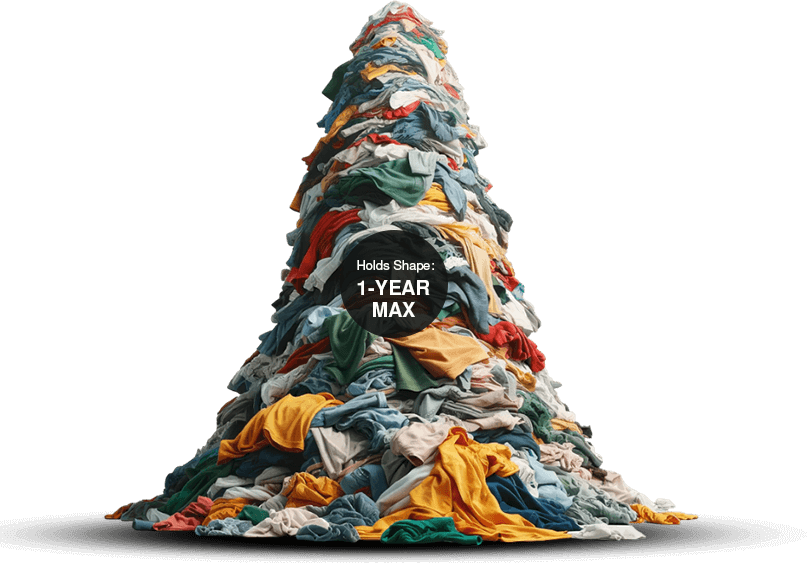
The average guy buys 9+ new shirts each year, or
180+ over 20 years.
UndrDog Hemp shirts grow
comfier with every wash, outlasting all others.
The average guy buys 9+ new shirts each year, or
180+ over 20 years.
UndrDog Hemp shirts grow
comfier with every wash,
outlasting all others.



 Your Privacy Choices |